
Meta Smart Glasses Put Privacy Controls to the Test
The glasses offer hands-free photos and accessibility tools, but new facial-recognition concerns and U.S. rules raise a harder question: who controls the camera?
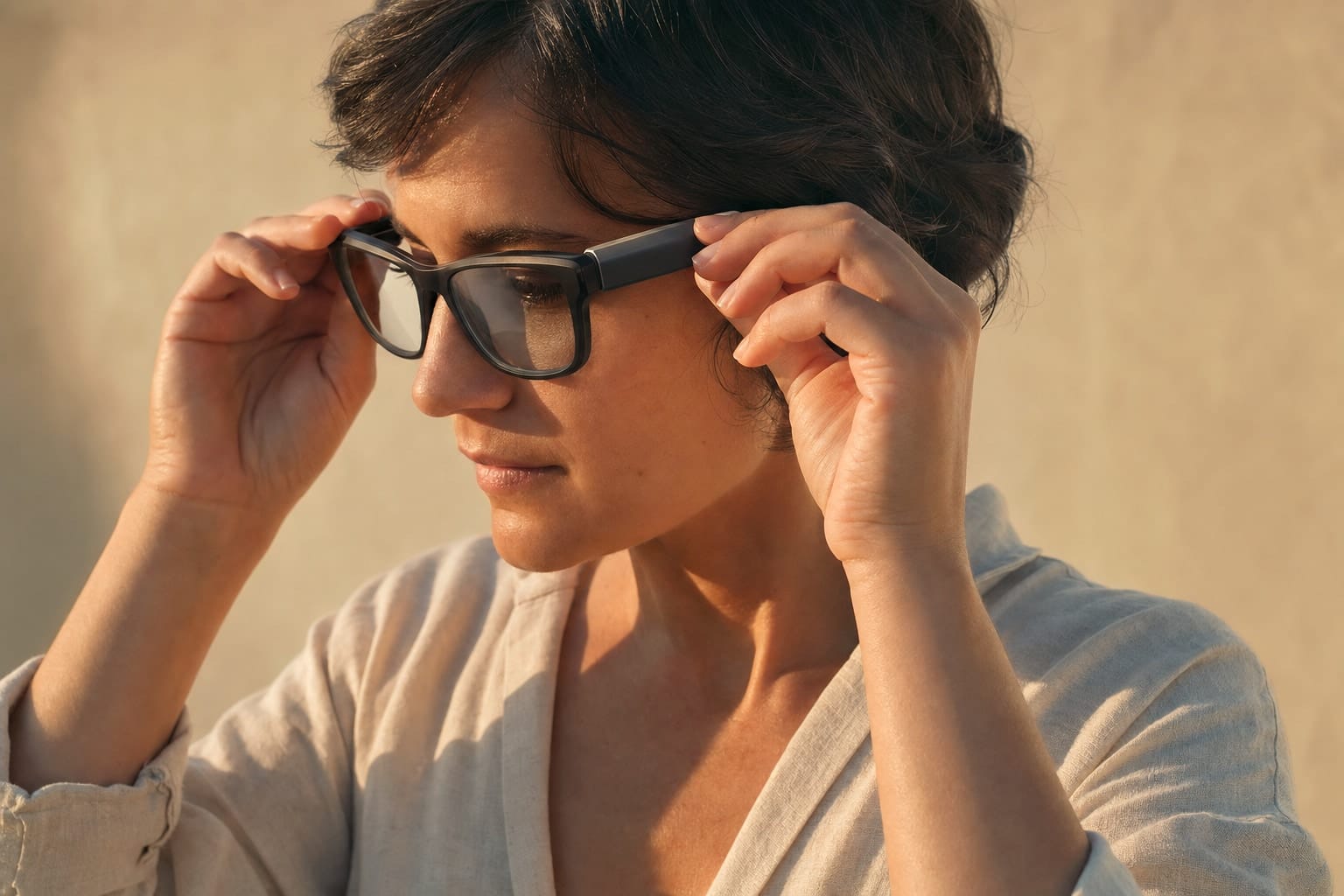
Smart glasses are moving from novelty to everyday technology. Meta leads the market, and its glasses can capture images, audio, and video of what the wearer sees. That convenience is useful for hands-free photos, video, and accessibility tools. It also creates a privacy problem because recording can be much harder for other people to notice.
The concern is not limited to careless or abusive users. A discreet camera can change how people behave in public, at work, or in sensitive spaces. For buyers, the practical question is whether a device offers meaningful protection for both the wearer and the people nearby.
Why Meta’s recording safeguards matter
Meta’s glasses include an indicator light intended to alert bystanders when recording is taking place. Some users found ways to bypass that protection by tampering with the hardware and disabling the light. In July 2026 reporting, Meta said it had introduced firmware and behavior changes that disable the camera if the recording LED is tampered with. The company also removed Marketplace listings for services that enabled LED tampering and published updated privacy guidance.
The distinction matters. A warning light is useful only if people can see it and trust that it cannot be defeated. The reported change targets the camera when the indicator circuit is altered, rather than making every recording impossible.
1. The hidden facial-recognition risk
On June 4, 2026, WIRED reported dormant facial-recognition code internally called Name Tag in Meta’s Meta AI companion app for Ray-Ban and Oakley smart glasses. The code did not establish that a facial-recognition feature had shipped or become available to users. It showed that Meta had explored the capability inside the app.
After the report, Meta removed the facial-recognition components from the app. Meta CTO Andrew Bosworth confirmed the work and described it as exploratory. The app had been distributed to 50M+ phones, according to reporting cited in the source material, which made the discovery relevant to a large number of users.
The disclosure prompted several forms of U.S. oversight and opposition:
- On April 13, 2026, a coalition of more than 75 organizations, including the ACLU, demanded that Meta halt Name Tag and related features.
- On May 20, 2026, Texas Attorney General Ken Paxton opened a civil investigation and issued a Civil Investigative Demand, or CID. A CID is a formal request for information during an investigation. The office is examining alleged deceptive privacy representations, always-on modes, contractor review of footage, and facial-recognition plans.
- On March 17, 2026, Senators Edward Markey, Jeff Merkley, and Ron Wyden asked Meta about biometric data, consent, law-enforcement sharing, and bias testing.
A separate federal class action filed in the Northern District of California alleges that footage from Ray-Ban Meta glasses was transmitted and reviewed by annotators and that Meta misrepresented its privacy protections. Those are allegations in the case, not established findings.
2. Why smart glasses feel sneakier than phones
Privacy advocates say smart glasses are different from smartphones because the camera is built into something designed to look ordinary. As Thorin Klosowski of the Electronic Frontier Foundation puts it, “The fact that they are designed to be innocuous is the biggest difference.”
With a phone, taking a picture usually involves pulling it from a pocket, raising it, and activating the camera. Glasses can record while the wearer appears to be looking normally. That makes the recording indicator especially important, but it also makes social expectations harder to define.
The problem is not that cameras are new. People raised similar concerns when cameras arrived in smartphones and laptops. Smart glasses make the act less visible, so bystanders may have less opportunity to understand what is happening or object.
3. The privacy tradeoff is becoming a product choice
Some companies are designing around the camera problem instead of treating it as a software setting.
1. Camera-free designs
Even Realities makes smart glasses without cameras. That removes the risk of the glasses silently capturing images, although it also limits camera-based features.
2. Physical protection
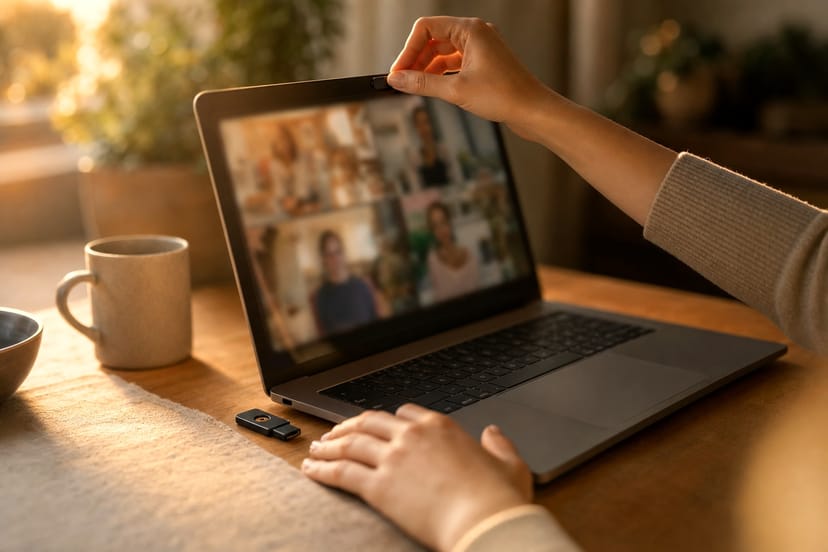
Solos frames include a physical privacy shield that users can place over the camera lenses in sensitive environments. A physical cover is easy to understand because it blocks the lens directly.
3. More visible recording signals
Privacy advocates have proposed brighter or more obvious indicators. The challenge is that many buyers want glasses that look like ordinary eyewear. Earlier camera glasses with more conspicuous designs struggled to feel socially acceptable.
Stacey Higginbotham and Justin Brookman of Consumer Reports have advocated for California legislation that would require visible indicators on devices capable of recording audio and video and prohibit users from disabling those indicators. The policy debate is moving toward a basic question: should privacy protections depend on the wearer’s honesty, or should the hardware enforce them?
4. Where institutions are drawing the line
Regulators and institutions are responding alongside product makers. On July 1, 2026, the New York Office of Court Administration directed that smart glasses with a camera, microphone, or computer could not be brought into Unified Court System facilities starting July 20. Wearers must check the devices at entry.
That kind of rule shows why the issue affects more than shoppers. Courts, workplaces, schools, health-care settings, and private businesses may decide that a visible recording risk is unacceptable even when the wearer says the camera is not active.
Google and Samsung are expected to enter the space later in 2026. Apple is reportedly working on glasses that could arrive in 2027. As more companies compete, privacy controls may become as important as battery life, audio quality, or appearance.
What to check before you buy
Smart glasses can be genuinely helpful. People use them to capture hands-free photos and action videos. Artificial intelligence can provide real-time captions for spoken conversations. Meta’s partnership with Be My Eyes can help visually impaired people interact with the world by using the glasses’ camera.
The upside is worth considering, but so is the cost to people around you. Before buying, look for:
- A hardware-level recording indicator that cannot be disabled through software or simple tampering.
- Clear data policies explaining where recordings are stored, who can review them, and how long they are retained.
- A camera-free option or physical privacy shield if you want audio, display, or assistant features without an always-available camera.
- Rules for sensitive places such as courts and workplaces, where the glasses may need to be removed or checked.
Smart glasses do not have to be a privacy nightmare, but the safest choice is not always the most fashionable one. If you are considering a pair, verify how the recording light works, read the data policy, and check whether the camera can be physically blocked. That gives you a clearer way to enjoy hands-free technology while respecting the privacy of everyone in the frame.