
Google chief scientist Jeff Dean is leaving the company with three colleagues to launch Discovery Loop, a startup aimed at automating the scientific research process. The move gives readers an early look at how AI could change the way experiments are proposed, run, evaluated, and repeated.
The goal is to shorten the path from an idea to a result. Discovery Loop says it wants to automate the “experimental loops” of science and engineering. In practice, that means software could help propose experiments, run them, assess the findings, and decide what to try next. The company describes a future in which small teams can handle research and engineering tasks more quickly and with higher quality than much larger teams.
That vision could eventually matter in fields such as medicine, materials science, and engineering. But no results from Discovery Loop are provided here, so claims that it will reduce development timelines from years to months would be premature.
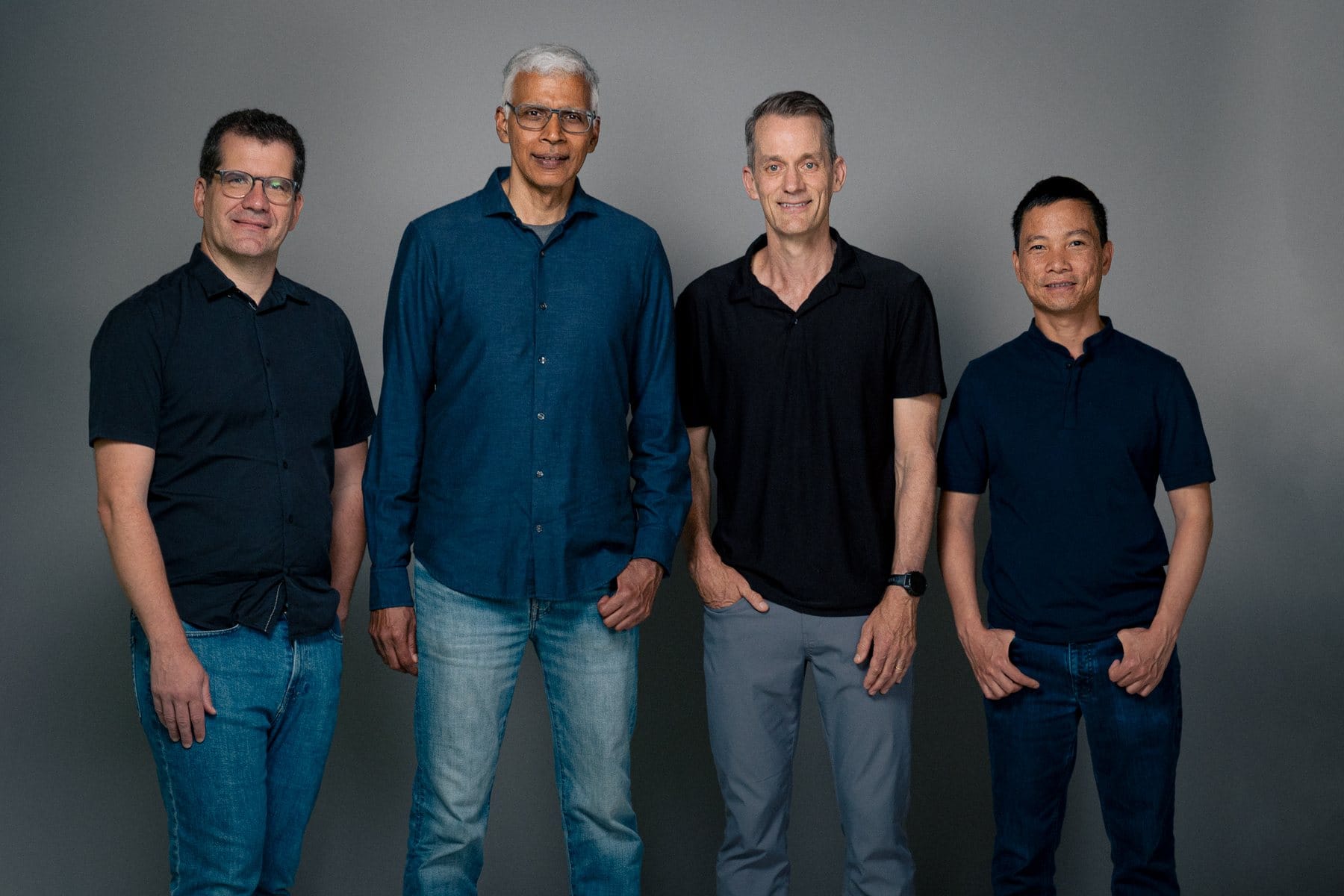
Four prominent Google researchers are making the move. Joining Dean at the Palo Alto-based startup are:
- Sanjay Ghemawat, a Google senior fellow and Dean’s collaborator for more than two decades;
- Oriol Vinyals, a research vice president at Google DeepMind;
- Quoc Le, a co-founder of Google Brain.
The departures come during a broader Google leadership reshuffle. CEO Sundar Pichai announced changes that include Demis Hassabis handing off day-to-day leadership of Google DeepMind to become its chair. Alphabet shares fell about 4% after the announcement, according to the supplied report.
Why this matters to you. Automated research tools could influence how quickly new technologies move from an initial hypothesis to a tested result. The important question is not whether AI will replace scientists. It is whether researchers will gain a reliable system for exploring more possibilities, learning from failed experiments, and focusing their time on the questions that require human judgment.
What to watch next. Discovery Loop is still at the beginning of that effort. Its future significance will depend on whether it can produce reliable, repeatable results outside a demonstration. For now, the launch is a useful signal to watch as automated scientific research develops and begins to shape the pace of engineering and discovery.