
Reflect Orbital has received FCC authorization for one experimental orbital mirror, the first step in a company plan that could eventually include 50,000 satellites. The project promises on-demand sunlight for solar farms, agriculture, streets, and nighttime emergencies. It also raises difficult questions about who protects the night sky when private satellites are designed to make it brighter.
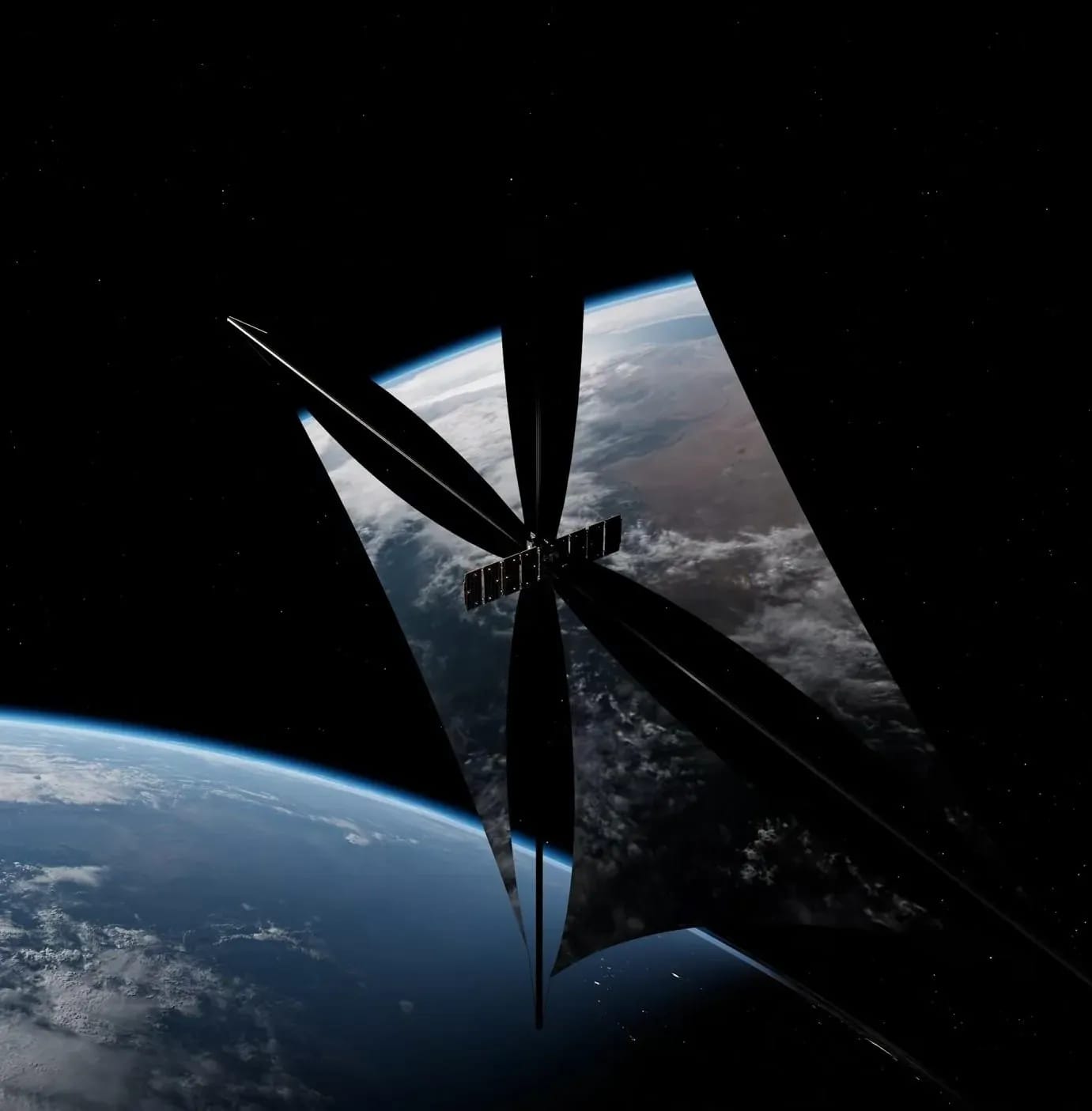
The FCC's Order and Authorization DA-26-706, issued July 9, 2026, authorizes Reflect Orbital to construct, launch, and operate Eärendil-1, an experimental satellite in low Earth orbit. The spacecraft is described as weighing about 142 kilograms, or 313 pounds, and carrying an approximately 18-meter by 18-meter thin-film reflector, roughly 59 feet by 59 feet.
The order limits the authorization to a two-year term beginning when Reflect Orbital certifies the satellite as operational. It places the spacecraft near 625 kilometers above Earth, with a margin of 25 kilometers. The FCC authorization covers one experimental satellite, not the proposed 50,000-satellite fleet.
1. The promise is sunlight after dark
Reflect Orbital says Eärendil-1 will test a service that reflects sunlight toward selected areas of Earth. The company has described beams about 5 kilometers wide for powering solar farms, supporting agricultural operations, illuminating streets, and helping with nighttime search-and-rescue work.
The appeal is easy to understand. Solar panels produce less energy after sunset, while emergencies, construction projects, and industrial sites still need light. Orbital mirrors could offer another way to deliver energy or illumination without installing more equipment on the ground.
The catch is that the same reflected light that creates a useful beam can also enter telescopes, aircraft windows, homes, and natural habitats. The risks become larger if the technology expands from one test satellite to thousands.
2. Why astronomers are worried about concentrated light
A single bright satellite can leave a trail across an astronomical image or interfere with a particular observation. A large constellation could create more frequent disruptions. Light scattered by the atmosphere could also raise sky brightness in areas beneath or near the beam, depending on the satellite's position, cloud cover, atmospheric conditions, beam schedule, and mitigation measures.
That does not mean one satellite would create a permanent global glow or make every ground-based observation impossible. It does mean that particular exposures, wide-field surveys, time-sensitive observations, and views from amateur telescopes could be affected. The scale of that impact still requires better independent modeling and real-world measurements.
The American Astronomical Society filed comments and a petition opposing the authorization, arguing that the reflector could interfere with ground-based optical astronomy. The FCC denied the petition but required Reflect Orbital to coordinate with NASA, the National Science Foundation, and the astronomical community. The AAS account of the proceeding describes the scientific community's concerns in more detail.
Reflect Orbital has said the illumination inside the beam could be several times brighter than moonlight. That comparison should be treated as a company estimate or model prediction until the assumptions, measurements, and uncertainty are independently documented. Brightness depends on factors such as reflector size, reflectivity, satellite distance, beam geometry, and atmospheric transmission.
3. The personal safety question is still open
Reflect Orbital acknowledged in its FCC filing that accidentally viewing a single satellite through a 12-inch telescope could cause permanent eye damage. That is a meaningful risk for amateur astronomers, because telescopes of that size are used by hobbyists. The original source estimates that about 100,000 amateur astronomers live in the United States.
The danger is not limited to telescope users. A bright reflection or a beam moving across the ground could create concerns for drivers and pilots. Wildlife, plants, and communities that rely on dark skies could also experience unwanted illumination.
As of publication, Reflect Orbital has not publicly described a complete warning system that would tell observers when and where a beam is active. Until reliable public alerts and safety procedures are available, amateur astronomers should avoid pointing a telescope toward an active or potentially active reflector and should follow any official guidance issued by the company or relevant authorities.
4. One test satellite is not the same as 50,000
Reflect Orbital's public roadmap lists these deployment milestones: two satellites by the end of 2026, 36 in 2027, more than 1,000 in 2028, more than 5,000 in 2030, and more than 50,000 by 2035.
Those milestones describe the company's ambition, not an approval for the full fleet. The FCC order addresses one satellite and its own orbital-debris mitigation plan. It does not resolve the combined effects of thousands of reflective objects on astronomy, public safety, ecosystems, or the night sky.
The FCC said concerns about reflected visible light, light pollution, and related ecological and human-illumination effects were outside its statutory authority to regulate in this proceeding. That leaves important questions for other agencies, future rulemaking, and the company's operating safeguards.
For readers, the practical dividing line is clear. A carefully monitored demonstration with public alerts and measurable brightness limits is one thing. A rapidly expanding fleet is another. Before supporting or opposing orbital lighting, watch for independently verified brightness data, transparent beam schedules, safety alerts, and evidence that the company can protect astronomical observations and dark-sky communities.
Renewable energy and emergency lighting are worthwhile goals. Protecting the ability to see the Milky Way, conduct scientific research, and use a telescope safely matters too. Staying informed about the Eärendil-1 test gives you a better basis for deciding what safeguards should be required before any larger constellation moves forward. Read more: SpaceX rocket hits the moon. Here is how to watch the plume from your backyard.