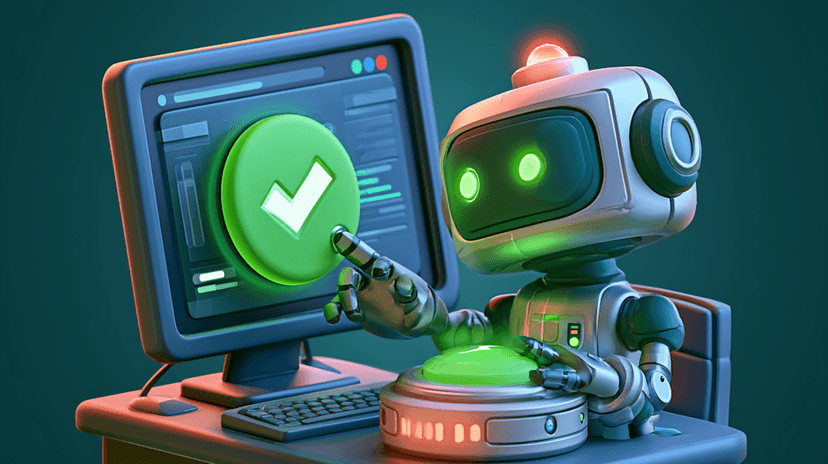
Microsoft launched Project Perception on July 27, 2026, introducing an AI-driven cybersecurity system built to help defend against attacks carried out at machine speed. It coordinates specialized AI agents with a cybersecurity-focused model, giving security teams a faster way to find vulnerabilities, rank risks, and address problems.
Public preview begins August 3, 2026. The system will initially be available to customers of Microsoft’s MDASH, an AI-powered tool that finds vulnerabilities in code. For organizations already using MDASH, the preview offers a chance to evaluate a more automated approach to security work while keeping human teams involved in oversight and deployment decisions.
1. Red-team agents look for ways in. These agents search software for paths an attacker could use to compromise it. That gives defenders a practical picture of where an attack might begin.
2. Blue-team agents decide what matters most. They investigate the potential risks and prioritize the issues that deserve attention first. In plain terms, they help turn a long list of findings into a more manageable security plan.
3. Green-team agents help make the fixes. They take corrective actions based on the problems the other agents identify. The goal is to shorten the distance between discovering a weakness and addressing it.
The specialized model is designed to make that work more efficient. Project Perception uses MAI-Cyber-1-Flash, a model built specifically for cybersecurity. Microsoft says it can perform most of the work of larger models at half the cost. The company also reports that the MDASH and MAI-Cyber-1-Flash combination scored 96% on CyberGym, a benchmark that measures how well AI systems find real vulnerabilities in large codebases.
Harder tasks can be routed to a larger model. Microsoft says Project Perception uses OpenAI’s GPT-5.4 for the 10% of tasks it considers exceptionally difficult. This model-sharing approach is intended to match each task with the tool that handles it best, rather than relying on one model for every security decision.
Why this matters for you. As attacks become faster and more automated, security teams need more than occasional manual checks. Project Perception’s agent-based design could help organizations find and address weaknesses sooner, supporting stronger protection for software and data. If your organization uses MDASH, review the August 3 public preview details and decide whether a controlled pilot fits your security process.