
Instacart is transitioning to an AI-centric engineering model where machines handle the majority of repetitive coding and boilerplate tasks, allowing humans to focus on high-level intent, judgment, and exception handling. This shift represents a fundamental change in how software is built: the role of the engineer is moving from a tactical creator of code to a strategic supervisor of AI systems.
The death of manual boilerplate
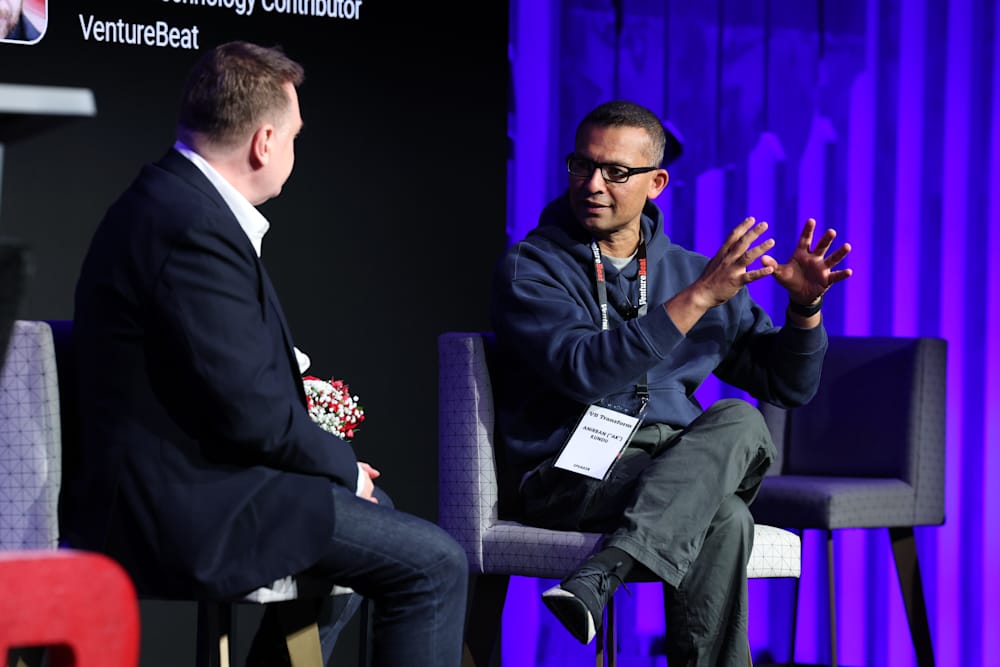
At the VB Transform 2026 conference, CTO Anirban Kundu revealed a startling reality: in 97% of cases, Instacart's builders no longer read the code they deploy. Instead of spending hours on high-volume, "draining" work, engineers now oversee agents that generate and regenerate code weekly. This approach effectively eliminates the fear of tech debt; if a piece of code isn't active, it is simply dropped and rebuilt by the system.
However, this automation isn't absolute. The remaining 3% of cases—specifically those involving legacy systems, compliance requirements, or latency-sensitive workflows—still require intensive human attention. To manage this, Instacart is using Project Atoms to break down massive monoliths into modular, RPC-driven architectures that are easier for both humans and AI to navigate.
How the engineering workflow has changed
Instacart's move toward "agentic" development is powered by specific internal initiatives and tools. The company's Project Tomato integrated several key tools into their daily engineering stack:
- Ava for internal workflows
- Cursor for AI-native coding
- Glean for knowledge retrieval
These tools allow for massive productivity gains. In a specific product case called Fizz, the company observed up to ~20% time savings on frontend workflows, such as converting Figma mockups into scaffolding. In other instances, a single AI coding agent helped remove 15+ feature flags from a service in just one pull request.
The shift from syntax to intent
As code generation becomes a commodity, the goal for developers shifts to an "intent model." This means training engineers to ask the right questions and define the correct goals rather than worrying about the specific syntax required to achieve them. To ensure accuracy, Instacart performs roughly 7,000 automatic evaluations each month. The system currently answers 8,000-plus real-time developer queries with a 99.9% accuracy rate.
Kundu describes this evolution clearly:
"In the past, the tactical level was the creation of the code... In the most tactical level going forward, it's going to be, 'How do you navigate around the AI system to give you what you want?'"
Automating site reliability (SRE)
The impact extends beyond writing new features to maintaining existing ones. Instacart built an agentic SRE system trained on years of its own incident data and root-cause analyses. This custom training allowed the company to see accuracy in detecting and mitigating production issues jump from roughly 60 to more than 90%.
A notable example involved an internal tool called Blueberry. While a human team was struggling to identify a database shard "hiccup," the AI SRE colleague monitored over 200 Slack channels and alerts. Within 20 minutes, Blueberry identified a flaw in a feature-flag-like system called "roulette," allowing the team to resolve the issue faster than human intuition would have allowed.
What this means for your career
For tech professionals, this transition provides a clear blueprint for staying relevant. The most tactical work for engineers will no longer be writing lines of code, but rather:
- Designing and supervising evaluation processes
- Coordinating multiple simultaneous experiments
- Managing constraints like limited top-of-funnel traffic
- Identifying edge cases where systems might break
To prepare, you should focus on domain expertise. Instacart is moving toward a world where code is "democratized," meaning the ability to modify a system will no longer be restricted to a single "owner" team. Instead, the value will lie in your ability to embed knowledge into clear definitions and specifications that any team—or any AI—can execute. Start shifting your focus from how to code to how to define intent.